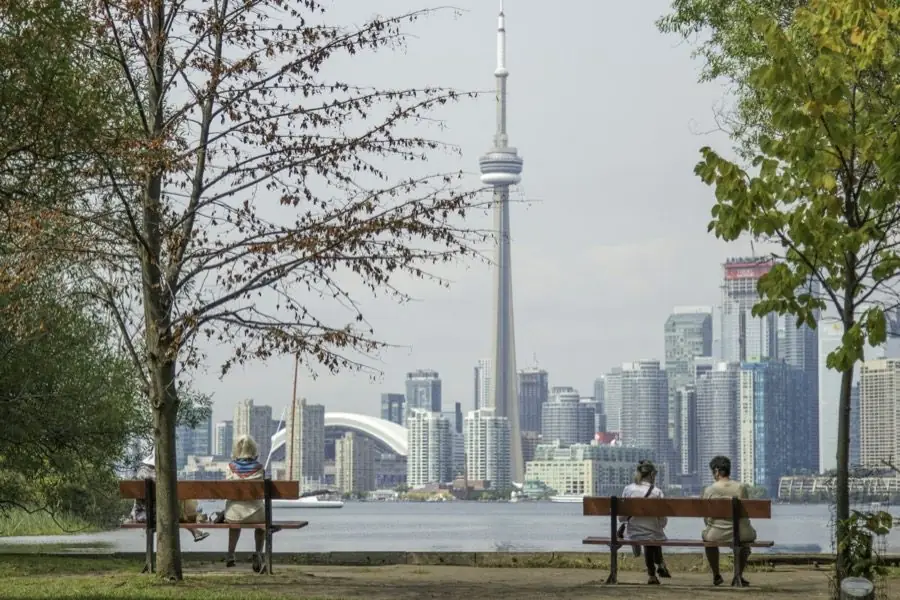
BMO Field: Toronto's World Cup stadium and Canada's historic opener
Toronto is the first Canadian city to host a men's World Cup match in history, and BMO Field sits right in the heart of the Harbourfront — one of the most walkable stadium settings in the entire tournament. With Pearson International Airport, Union Station and a dense hotel core all within easy reach, Toronto combines genuine big-city convenience with a compact matchday geography that few hosts can match.
BMO Field has a capacity of approximately 45,736 for the World Cup and sits on Lake Shore Boulevard West, reachable by streetcar from Union Station in under 20 minutes. Toronto is scheduled for 6 matches including Canada's opener, which will be one of the most emotionally significant fixtures of the group stage for local supporters and neutral fans alike. For fans attending toronto world cup games, the combination of a compact stadium precinct, a walkable city centre and an emotionally resonant Canada fixture makes this one of the most well-rounded host-city experiences in the entire tournament.
Why this city matters
BMO Field is steps from Lake Ontario — one of the most scenic stadium locations in the tournament
TTC streetcar and GO Transit connect Union Station to the stadium zone in under 20 minutes
Dense hotel core between downtown and the waterfront makes base-city planning straightforward
Canada opener creates massive local demand — plan tickets and accommodation as early as possible
Matchday planning
Where to stay in Toronto for the 2026 World Cup
Where is BMO Field and how far is it from downtown Toronto?
BMO Field is located on Lake Shore Boulevard West in Exhibition Place, roughly 3 km southwest of Union Station. The TTC 509/511 streetcar stops directly outside the ground, and the journey from downtown takes around 15–20 minutes on match day.
Exhibition Place also sits adjacent to Ontario Place and is accessible via the Martin Goodman Trail for supporters who prefer to cycle or walk along the waterfront. On match days, the Lakeshore and Bathurst corridor transforms into a pedestrian approach zone. Toronto's compact downtown core means that Yorkville, the Financial District and the Entertainment District — all major hotel clusters — are within 30 minutes of the stadium by surface transit.
How do you get from Pearson Airport to BMO Field for a World Cup match?
The fastest route is the UP Express from Pearson to Union Station (25 minutes), then the 509/511 streetcar to Exhibition Place. The journey from terminal to turnstile typically takes under an hour — one of the more efficient airport-to-stadium connections in the tournament.
GO Transit also serves Exhibition GO Station, immediately adjacent to BMO Field, with additional frequency on world cup toronto match days. For supporters staying outside downtown — in Mississauga, Brampton or Etobicoke — the GO Lakeshore West line offers a more direct option than routing via the TTC. A single GO fare from Union costs around CAD $4–$6, and journey time from Union Station is under 15 minutes.
How lively is Toronto's South American diaspora during World Cup match days?
Toronto has a large South American and European diaspora that will give the city an electric atmosphere across Fan Zones, bars and public squares even before kickoff. The Harbourfront area and the entertainment district along King Street West are likely to become the pre-match hubs.
Little Portugal on Dundas Street West, Little Italy on College Street and the St. Clair Avenue West corridor are among the most football-passionate neighbourhoods in the city. On toronto world cup games days, these areas will effectively become open-air fan zones. Brazil, Portugal, Italy and Argentina all have significant diaspora communities in the Greater Toronto Area, and matches involving those nations will generate memorable street-level atmospheres well before kick-off.
Is the Canada opener the most emotionally charged group-stage fixture in the tournament?
Canada's first men's World Cup home match will make Toronto one of the most emotionally charged venues in Group Stage. With 6 matches scheduled, the city also works well as a base for fans with multiple tickets, especially given the hotel density and direct flight connections from Europe and South America.
For international supporters considering world cup tickets toronto, demand for the Canada opener will be among the highest of any group-stage fixture in the tournament. Canada's men's national team qualified for the 2022 World Cup for the first time since 1986, and the 2026 home fixture represents a once-in-a-generation moment for Canadian football. Securing accommodation in central Toronto for that specific match date should be the first priority for any fan planning the trip.
City snapshot
How many World Cup matches does Toronto host in 2026?
Toronto is allocated 6 World Cup matches at BMO Field, spanning the Group Stage through to the Round of 32. The compact geography between the airport, the hotel district and the stadium means supporters can realistically plan multi-match stays without excessive travel time or logistics overhead.
The combination of BMO Field's lakeside setting, the Canada opener significance and strong public transport links puts Toronto among the easiest North American cities to navigate during the tournament. Supporters planning back-to-back match days will find the city well equipped to handle large volumes of international visitors.
For supporters considering world cup tickets toronto, the city's hotel supply is concentrated enough that staying downtown is both practical and recommended — the core neighbourhoods of King West, the Entertainment District and the Harbourfront are all within a 20-minute walk of BMO Field. FIFA Toronto's match allocation gives the city a meaningful role across the group stage, making it one of the more rewarding Canadian destinations for fans planning a multi-match North American itinerary. Early planning is critical — world cup toronto demand, especially for the Canada opener, will exceed available supply well in advance of the tournament.
Football identity
Toronto's Football Heritage: From BMO Field's Opening to Canada's 2026 Moment
BMO Field opened in 2007 as the first purpose-built soccer stadium in Canada, constructed specifically for Toronto FC's MLS debut. It hosted the 2016 MLS Cup Final — Toronto FC lost on penalties to the Seattle Sounders in a match decided in extra time — and was expanded in stages to its current configuration. The ground sits on the historic Exhibition Place grounds, a venue that has hosted major events in Toronto for over a century, giving the site a cultural weight that newer stadiums rarely carry. FIFA confirmed BMO Field's eligibility for the 2026 World Cup after reviewing its infrastructure upgrades, including improved lighting, expanded media facilities and enhanced accessibility.
Canada's men's national team appeared at their first World Cup in 1986 in Mexico, losing all three group-stage matches, and then went 36 years without qualification before reaching Qatar 2022. That 2022 campaign — where Canada finished second in CONCACAF qualifying — reintroduced the country to the global football conversation. Playing a home World Cup in 2026 as co-hosts means the CanMNT will bypass qualification entirely for the first time in their history. For a city as culturally diverse as Toronto — which is consistently ranked among the most multicultural cities in the world, with large communities from Portugal, Italy, Brazil, Ghana, Jamaica and dozens of other football nations — a home World Cup fixture carries emotional significance that extends far beyond the Canadian diaspora. The combination of a passionate local supporter base and a stadium purpose-built for the sport makes toronto world cup 2026 one of the most authentic football environments in the entire tournament.
Toronto FC itself has built one of the stronger supporter cultures in MLS, with the Red Patch Boys and U-Sector supporter groups providing tifo and chant traditions that have helped establish BMO Field as a genuine football atmosphere rather than a corporate event space. The Trillium Cup rivalry against CF Montréal and TFC's three MLS Cup Final appearances — winning the championship in 2017 — have given the fanbase meaningful competitive football to rally around. That existing stadium culture means world cup toronto 2026 will arrive at a venue that already knows how to generate noise, and the intensity of a home World Cup match for Canada will push that atmosphere well beyond anything the stadium has previously produced.